Navajo Nation

I grew up knowing it’s wrong to have more than you need. It means you’re not taking care of your people.. Navajo Proverb.

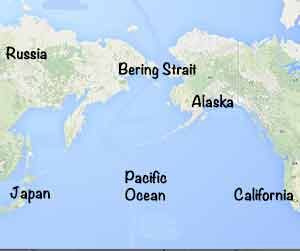
- Anthropologists believe the Navajos may have arrived in the Southwest between 800 and 1,000 years ago, crossing the Bering Strait land bridge and traveling south.

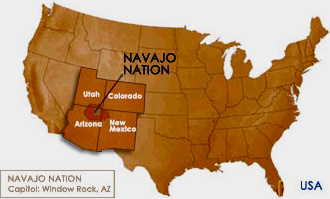
- The Navajo Nation is the largest Indian reservation in the United States, comprising about 25,000 square miles in the states of Utah, Arizona and New Mexico.
Navajo History
- The region is subject to winter snow and below freezing temperatures with summers reaching 100 degrees with extreme droughts.
- In 1863 Kit Carson conducted the Scorched Earth Campaign against the Navajo. Captives had to do the Long Walk to Fort Sumner, 350 miles east in New Mexico, where many died and fled from Monument Valley.
- The Navajo are believed to have learned agriculture after arriving in the area. They became acquainted with domesticated livestock after contact with the Spanish, taking on shepherding and horsemanship.
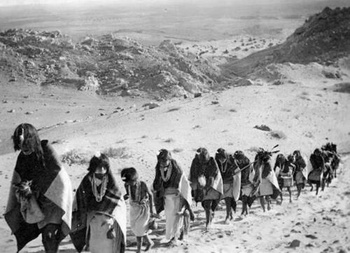
- After signing a treaty with the U.S. in 1868, the Navajos were allowed to return to their designated lands.
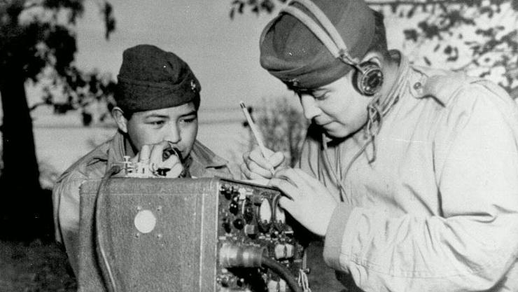
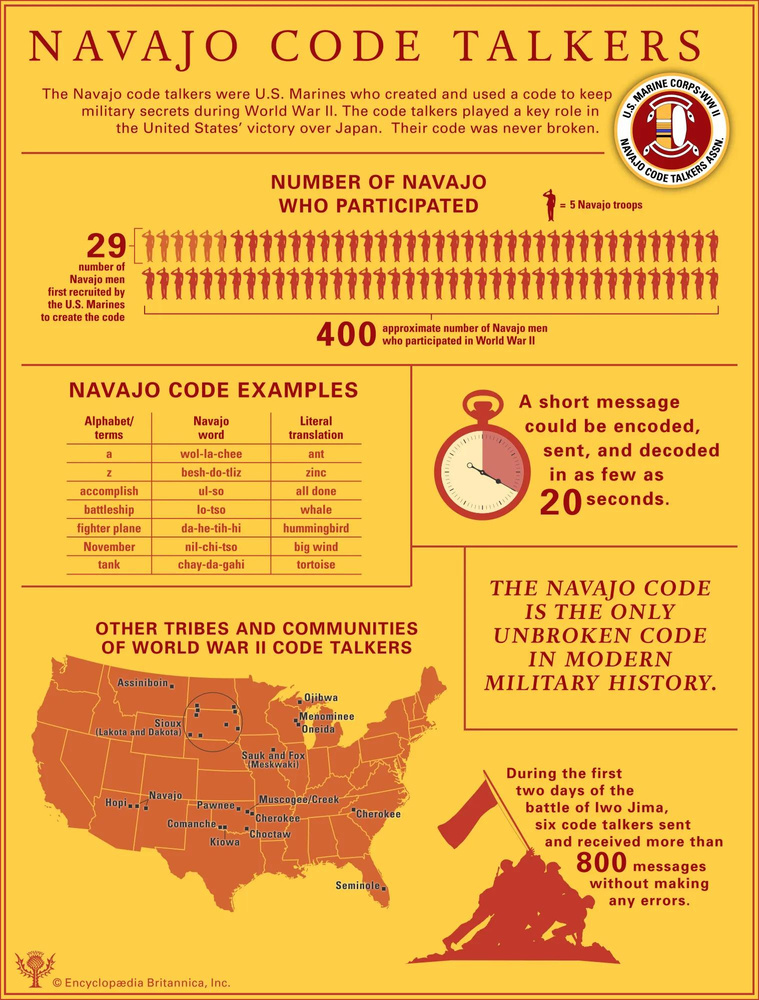
- During World War II, between 1942-1945, the Navajo language was used to create a secret code to battle the Japanese. Navajo men were selected to create codes and serve on the front line to overcome and deceive their enemies. Today, these men are recognized as the famous Navajo Code Talkers.
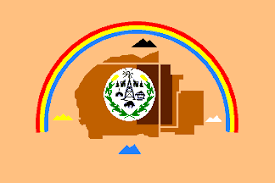
- The Navajo Tribal Council declared the reservation in 1968 as the Navajo Nation, along with adopting their own Navajo flag.
- In 1993, After 70 years of American oil companies
conducting business activities on tribal lands, the Navajo Nation formed their own corporation, the Navajo Nation Oil and Gas Co., Inc.
- Today, Navajos face high unemployment rates and are pressured to conform to a more typical American family structure. The Navajo culture is in transition, with their traditional lifestyle under the stress brought on by rapid change in society, they remain vigilant in holding their cultural traditions.


The Navajos call themselves Dine, which simply means "The people"
The Navajo language is called DinE Bizaad and is spoken by about 175,000 people. THis is more than any other native american language north of the Mexico border, and this number is actually increasing over time.
Navajo language makes up the largest part of the athabaskan Language group which includes 44 languages native to north America.
The Navajo language shares an affinity with languages in eastern Asia because they are Tonal. This means the same phonemes spoken with different tones have different meanings.
This makes the language almost impossible for adult outsiders to learn, which is why they used it for communicating in codes during world war II, and it was one of the few codes that was never broken.
Let's Learn more about the Navajo Language
SPeakers

Callers
The short vowels are pronounced as follows:
a As in "father"
e As in "West"
i As in "sit"
o As in "low"
Remember, Navajo is a tonal language, which means that vocal pitch helps determine meaning.
Nouns are either animate, or inanimate. Animate nouns may be either 'speakers" (humans) or "callers" (plants and animals). Inanimate nouns will either be corporeal or spiritual.
Most languages include first second and third person grammatical categories. The Navajo fourth person category enables the speaker to address someone who is present or within hearing distance without naming them. This is because the Navajo believe that names hold power and in polite communication they avoid speaking another persons name.
The long or doubled vowels are pronounced the same, but are held longer:
aa As in say "ahh"
ee As in "yeah"
ii As in "see"
oo As in "oh"

The combined vowels are pronounced as follows:
ai As in "my"
ao As in "cow"
ei As in "say"
oi As in "chewy"
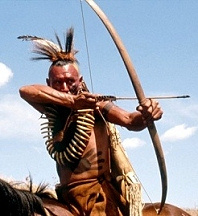
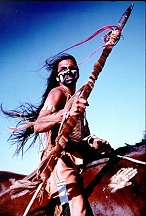
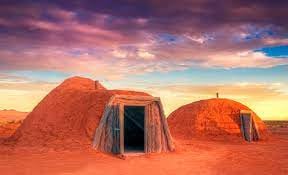
Most weapons that are used are made of wood and animal horns in order to hunt and farm to provide for their families. These weapons include Long and short bows and arrows, spears, clubs, tomahoawks, axes, knives, and even swords | This tribe doesn't live in traditional villages like other societies, instead they have grouped near water sources. Due to limited water and grazing land they live in domed shaped buildings called Hogans that are covered with mud. Most families live in newer homes, they must have a traditional hogan for rituals and ceremonies. | |
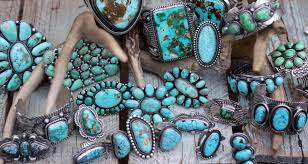
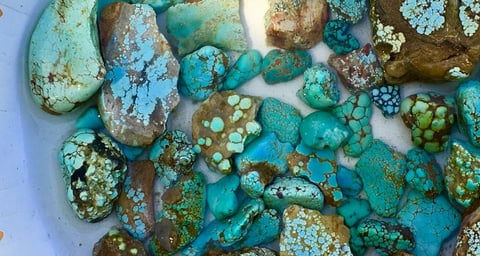
Turquoise otherwise known as the "stone of life" is a gorgeous semi-precious living stone that was considered sacred to the tribe of Navajo. It is used for much more than just jewelry; it is a symbol of good news and better fortune. The stones are hung from ceilings, stored in baskets, taken into the battlefield, and used in many rituals and ceremonies. | ||
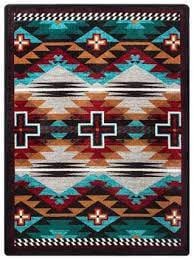
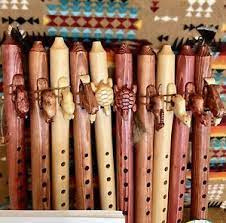
One key craft that was historically vital to the Navajo economy was weaving. At first the crafters would make these for clothing, rugs, blankets, and other needs for the tribe. Later, these beautifully patterned rugs were produced as trade items. They used plants to dye the wool into greens, whites, yellows, and blacks and then use that wool to create these complex designs. | Traditional navajo music is played with instruments including drums, rattles, flutes, whistles that are always accompanied by impressive vocals. Most of their music are holy songs that are used during healing ceremonies and short prayer rituals. SOme of these ceremonies can last up to 10 days! | |
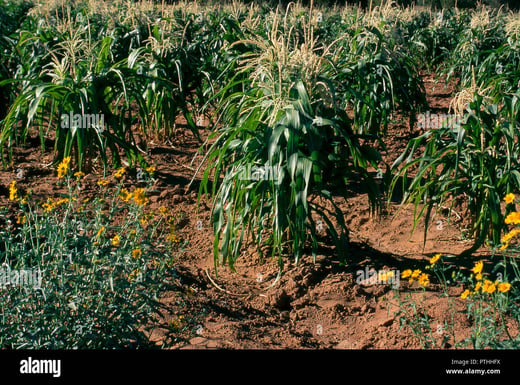
Navajo people were farmers, raising corn, beans, squash. Traditionalhunters would only hunt deer, antelope, and other small game excluding fish because it is not acceptable in their religion. They mostly used dry-farming methods because rain is scarce, and they must use their water carefully. |
Modern Day Navajo Life and Culture
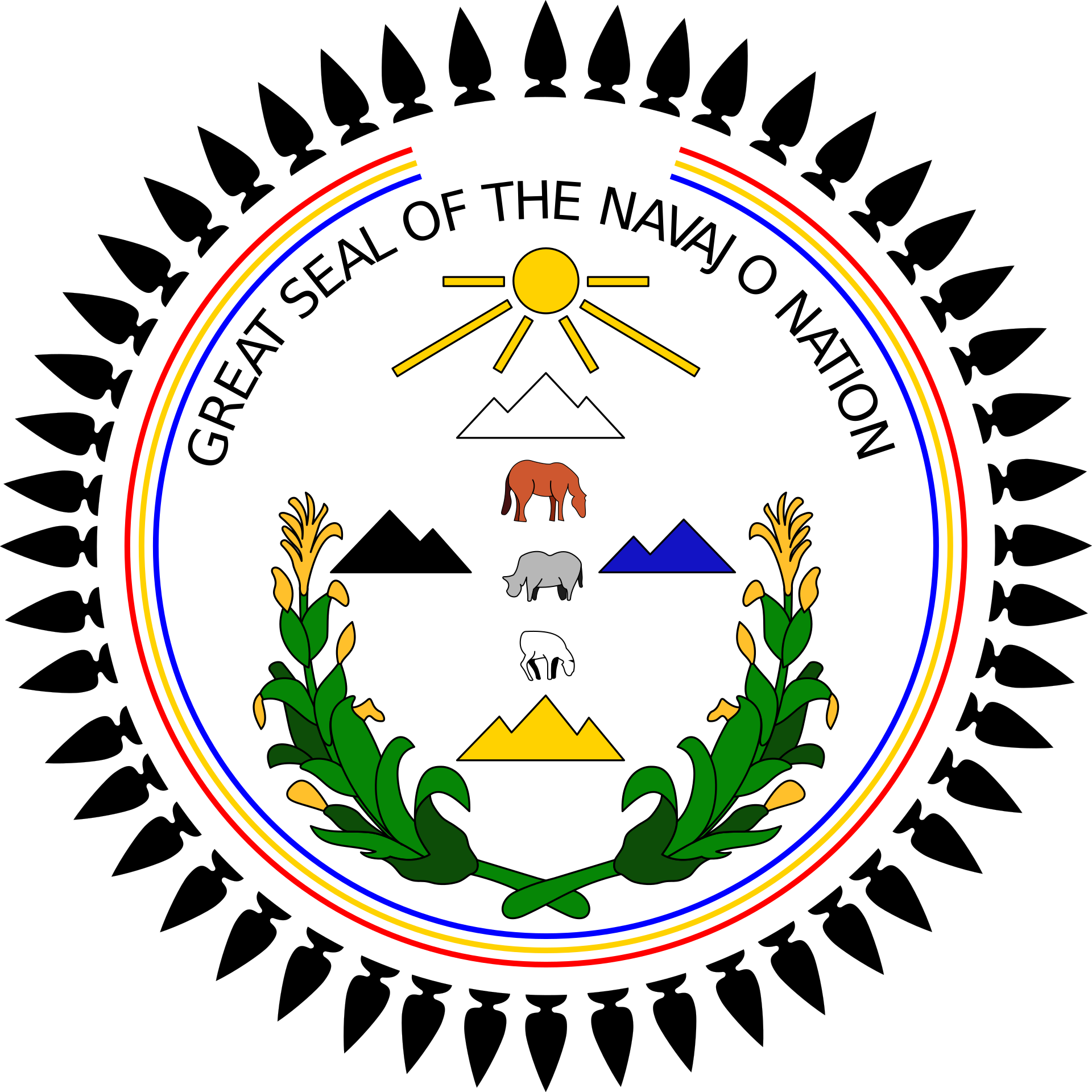
Today, the Navajo people have their own government and society, which is known as Navajo Nation.
Navajo Nation and the Navajo reservation are separate from state land and are governed by a president and council.
An estimated 250,000 people belong to the Navajo nation ancestrally, while 173,000 of these people live on the reservation.
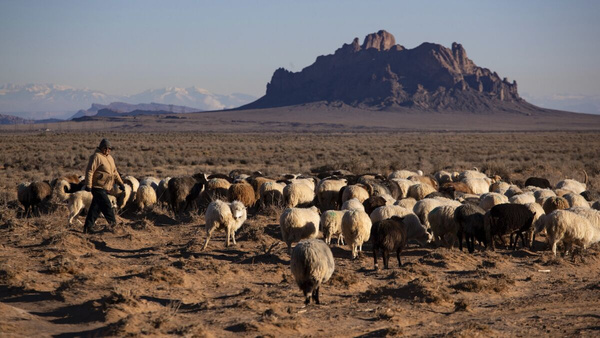
Many Navajo citizens work in locations and industries outside of the reservation. However, within the Navajo reservation, some citizens raise livestock, maintain farms, and sell traditional homemade jewelry and rugs.
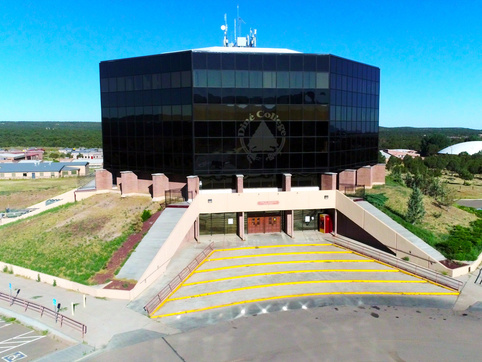
Diné College is a higher education institution for Navajo citizens that is located on the reservation. At the college, students can study Navajo language and culture, environmentalism, and can earn bachelor’s degrees.
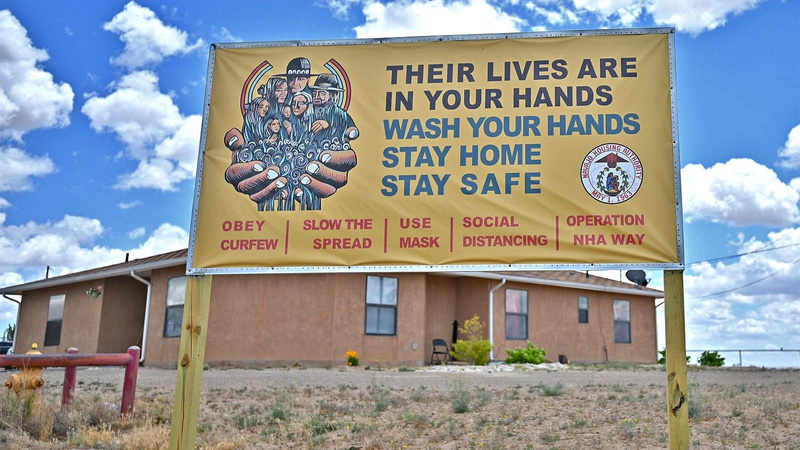
When looking at modern Navajo life, it is impossible to ignore certain issues. Due to rampant mistreatment, neglect, and destruction at the hands of colonists and the US government, many Navajo people face challenges.
Navajo people are more likely to have economic problems, health issues, and to struggle with addiction. Additionally, around 30% of Navajo residents struggle to have access to clean running water and electricity for their homes.

These issues are receiving increased attention in the 21st century, and there needs to be more societal support for the Navajo Nation and other indigenous people.
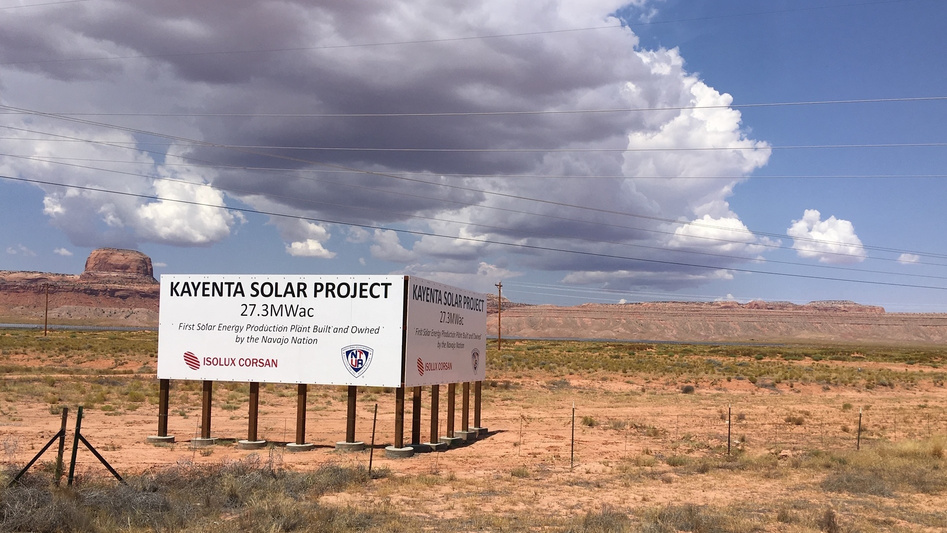
Despite there being various strains in Navajo Nation, there have been some hopeful developments in the past few years. The Navajo people are moving away from coal production and instead attempting to produce renewable energy in the form of solar power. This change will be better for the environment, potentially create jobs through solar panel factories, and provide new resources for electricity.



Navajo culture: Story of the stars